Read the return conditions before ordering
Read the policy attached to the exact item, then work out how a return would happen from your address.
Return, replacement and repair are different
A product may be eligible for replacement without offering a simple change-of-mind refund. Another may require a manufacturer inspection for a fault. These routes solve different problems, so look beyond a general heading that says returns are available.
Check the conditions for the selected seller, product and variant. A marketplace can host several sellers with different arrangements, and a broad help page may contain exceptions. Save the relevant policy with the order details if the purchase is expensive or the conditions are important to your decision.
Put the dates in order
Find out when the period starts and what action must occur before it ends. It might be a request, a collection booking or receipt of the returned item, depending on the policy. Do not infer the rule from a number displayed beside the product without reading its explanation.
If the item is a gift, allow for the time between delivery and opening. If you will be away, consider whether you can inspect the parcel in time. A return window is less useful when the purchase will sit unopened until it has passed.
Keep any required tags, accessories and packaging while you inspect the item. For hygiene-sensitive, customised or installed goods, the restrictions may be especially relevant. Asking beforehand can be easier than arguing afterwards about what opening or using the product means.
Picture the physical return
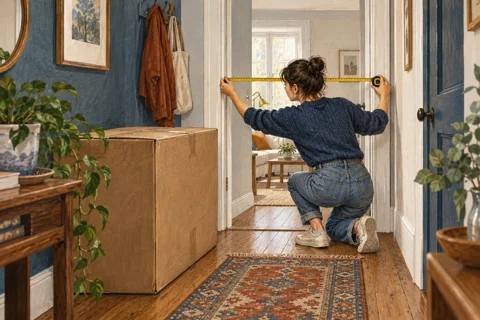
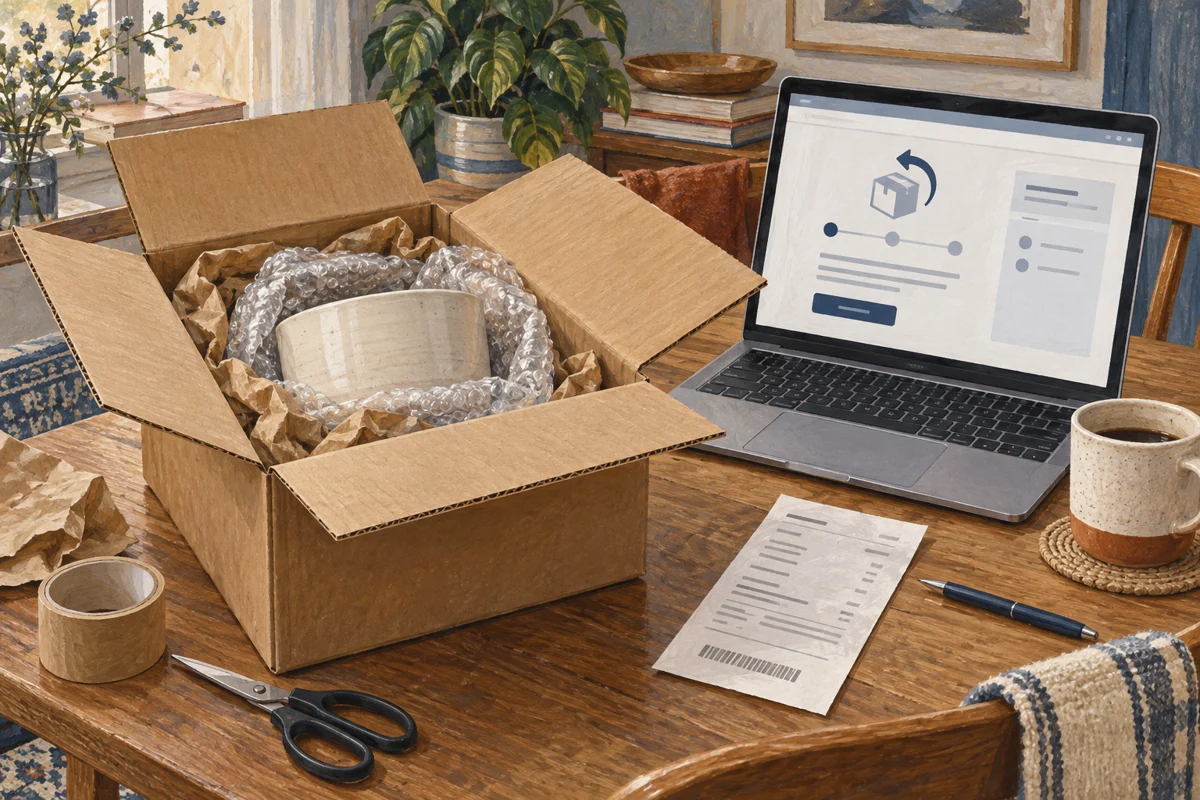
Would you need to print a label, take the parcel to a collection point or wait at home for a pickup? Can the product be repacked without special materials? A bulky item may require more coordination than a small parcel, even when the retailer accepts the return.
Check who pays any applicable collection or shipping charge and where a refund would go. A refund to the original payment method may be inconvenient for a recipient exchanging a gift; store credit is a different outcome from money returned. Do not assume these options are interchangeable.
If the policy is unclear, ask a precise question and keep the response. For example: if this size does not fit, can I return this selected item from my postcode, and what costs apply? That is more useful than asking whether the shop has a good return policy.
Document the issue without oversharing
When an order arrives, compare the item with the confirmation and note any missing parts or visible damage. Keep photographs that show the issue and the product identification. Avoid posting an address label or invoice with personal information in a public review.
Use the seller's official support route for the claim. A social-media reply asking for payment details is not automatically part of that process. Share only the information necessary through a channel you have verified from the retailer's own website or order account.
This buying check is not a statement of every legal right that may apply. Retailer procedures and consumer protections are separate questions. If a dispute cannot be resolved through the stated process, seek the relevant official consumer guidance for the situation rather than relying on a general shopping article.
Before opening a complicated package
Read any inspection or delivery procedure before the courier arrives. Some purchases have specific steps for reporting visible damage or missing items. Follow the retailer's actual instructions rather than a general tip found in a comment thread. If the procedure is unclear, ask support while the order is still in transit.
Open packaging carefully enough that required labels and protective pieces remain usable. This does not mean keeping every scrap forever. It means postponing disposal until you have checked the contents, understood the assembly and confirmed that the item matches the order.
Where assembly is involved, count the components against the supplied list before starting. A missing fitting is easier to identify when all parts are laid out than after half the structure has been assembled. Keep the product's own instructions nearby and stop if a component or step is unclear.
If the return is accepted, record the collection reference and retain any handover evidence the carrier provides. Remove old shipping labels from a reused outer carton where the return instructions require it, without removing product identification from the item itself. Check that unrelated household objects or documents have not been left inside a pocket or box. A careful handover helps keep a straightforward return from becoming a second problem.