A set is useful only if you need its pieces
Count the pieces you will use, including the cupboard space they require, before treating a set as a saving.
The useful piece count
A six-piece set may contain three containers and three lids. Another might contain six complete containers. Read the contents list before dividing the price by the advertised number. The count on the box does not necessarily represent six separate uses.
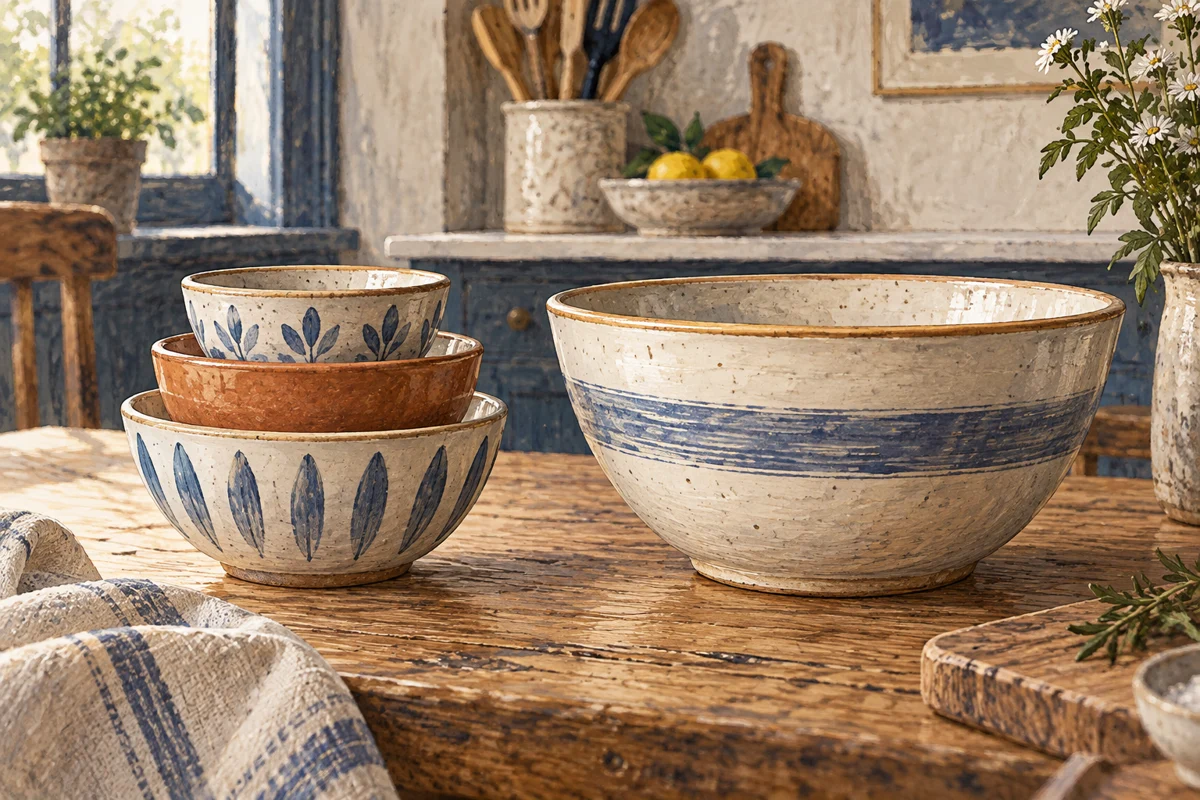
Then identify which sizes would enter your routine. A nesting bowl set can be convenient if you use each size; it is less convincing if the smallest bowls remain in the cupboard while the one you need is always occupied. Matching pieces are pleasant, but they should not obscure the missing function.
Compare the same job
Suppose you need two medium storage boxes. A bundle with one medium, one small and one large box is not directly equivalent, even if it costs less per piece. Compare the price of meeting the actual need, then decide whether the extras have a known purpose.
Look at lids and accessories as well. Shared lid sizes can simplify storage, whereas a bundle with several nearly identical lids may create daily sorting. A spare lid can be useful, but only if it fits the containers you will keep using.
Check the dimensions of the nested or stacked set. A set that stores compactly empty may occupy much more room when every piece is in use. The large outer bowl still needs a place of its own when the smaller bowls are filled elsewhere.
When a single item is enough
Buying one piece lets you try the shape, weight and cleaning routine before committing to more. This is particularly useful for unfamiliar handles, closures or materials. A matching range may not remain available forever, so do not buy a trial piece on the assumption that exact replacements are guaranteed.
A set can still be the right choice for a household starting from nothing or replacing worn pieces with clear requirements. Check that the bundle contains the sizes and quantities you need, and that all pieces share the relevant care permissions rather than assuming they do.
Finally, ask whether you would choose the extra items if they were displayed separately. If the answer is no, their nominal value should not carry much weight in the comparison. Space in a small kitchen is part of the purchase too.