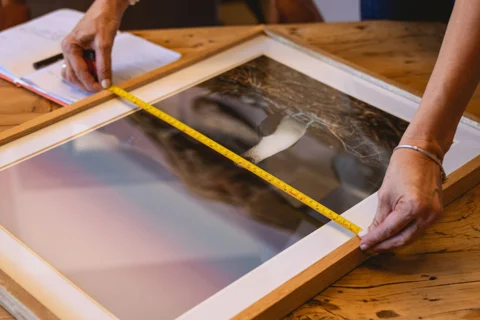
Read the material description past the headline
A headline material can describe only one part of an object. Read the construction underneath it.
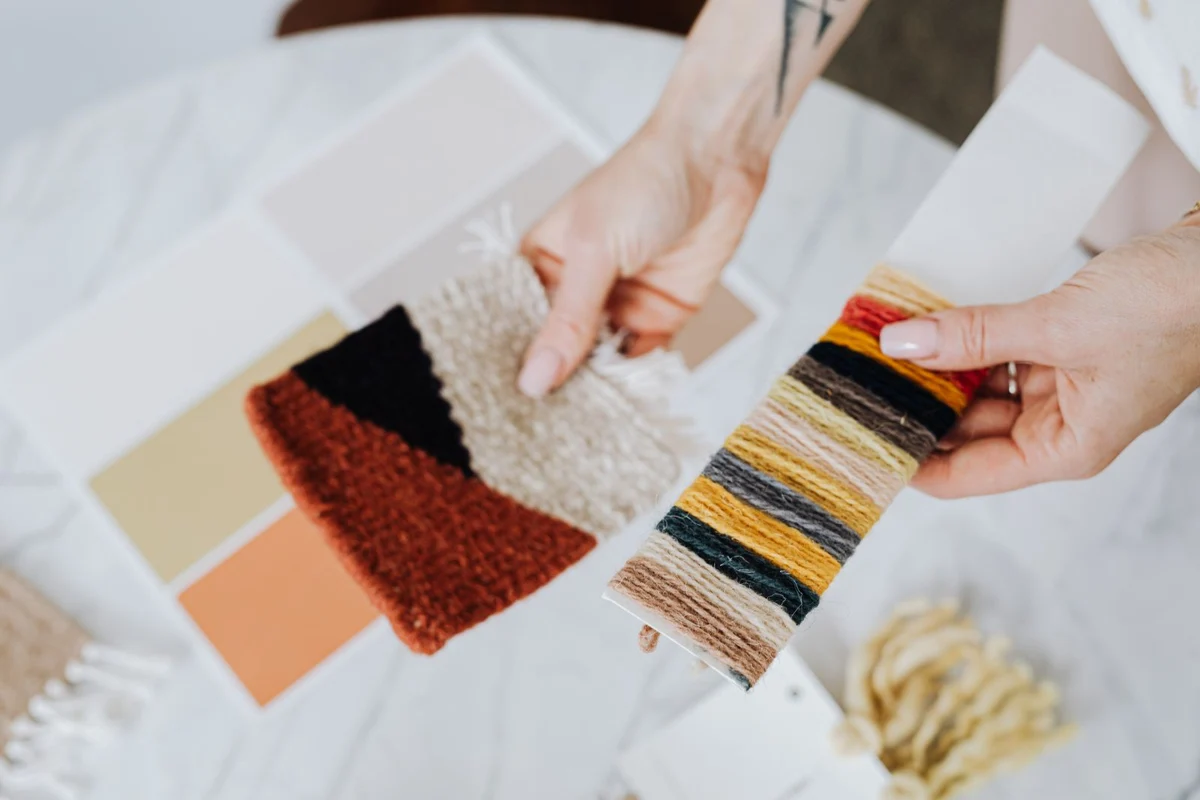
Which part is made of what?
A wooden-looking shelf might use solid wood, veneer over a board or a printed surface. A cotton cushion cover might have a different backing and a synthetic filling sold separately. These are not automatically bad constructions, but they are different things to maintain and compare.
Look for a component-by-component description. For a bag, separate the outer fabric, lining, trim and hardware. For furniture, identify the panels, legs and finish. A broad phrase in the title should not be treated as a complete bill of materials.
Translate appearance into use
A finish affects cleaning as well as colour. Coated metal may need a different approach from bare stainless steel, and a painted surface may respond differently from unfinished wood. Follow the maker's care instructions instead of choosing a household cleaner solely from the material name.
Fabric blends deserve the same attention. Fibre percentages can help describe the cloth, but weave, thickness, finish and construction also affect feel and behaviour. A higher percentage of one fibre is not a universal quality score. Consider whether the actual item suits the washing and drying routine available at home.
For food-contact or heat-related uses, look for explicit suitability for the intended task. A decorative tray made from a familiar material is not automatically suitable for direct food contact, and a ceramic bowl is not automatically oven-safe. Ask about the exact product, not the general category.
Missing details are a question
Words such as premium, luxury and heavy-duty do not explain construction by themselves. Replace them with questions you can answer: how thick is the panel, what is the lining, can the cover be removed, and what does the care label permit? You do not need every technical specification, only those that affect your use.
If two sellers describe an apparently similar product differently, avoid resolving the conflict from photographs alone. Request clarification or choose an item with a clearer specification. An uncertain material can become an uncertain cleaning method later.
Keep the label or product information after purchase. Once packaging has gone, the object may look too similar to others for you to remember its particular limits. A quick saved note can prevent an avoidable mistake months afterwards.
Two similar shelves, different decisions
Suppose two shelves have the same dimensions and a similar wood tone. One has a veneered board surface and the other is solid timber. The useful comparison is not a contest between the names. Look at the permitted load, the edge construction, the finish, the mounting requirements and the care instructions for each actual shelf.
A visible edge can tell you something about construction, but a photograph may not show it clearly enough. Ask for the material specification rather than trying to diagnose a product from a compressed image. If the shelf will sit in a damp location, obtain explicit suitability for that environment instead of assuming a finish makes it resistant.
The same reasoning applies to a bag described as leather. Ask which components use that material and whether the lining or trim has different cleaning requirements. A mixed construction may suit the design perfectly well; the problem is an incomplete description that makes maintenance a guess.
When the material information is detailed but unfamiliar, focus on the consequences for your use. Can the cover be washed? Is the surface intended for the room? Does the item need a treatment you are willing to apply? These questions turn a specification into a decision without requiring you to become a materials specialist.