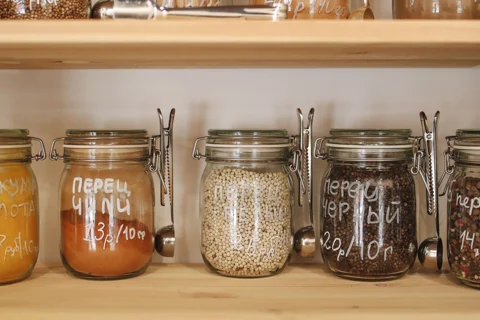
A shelf for the things used only part of the year
Store a complete, identifiable group where it will not interrupt the things used every week.
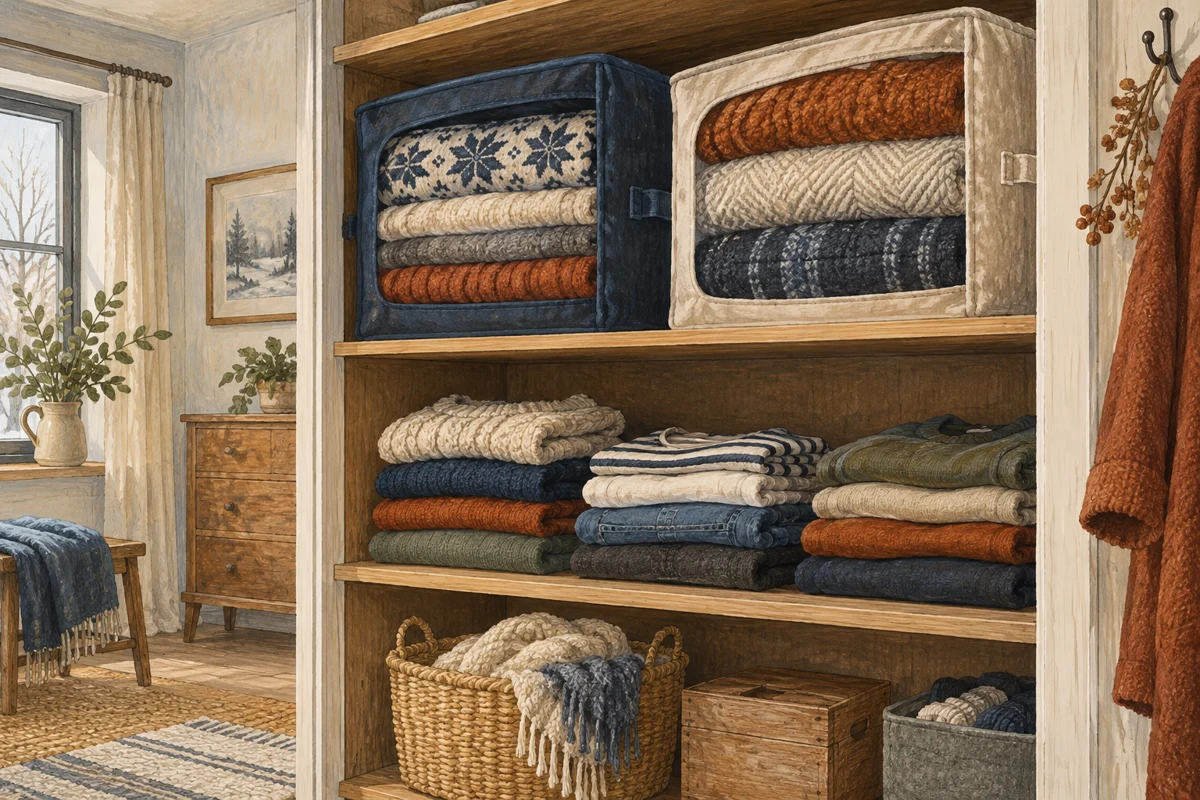
Choose the boundary of the season
Seasonal storage works when it removes items that genuinely will not be needed for a while. A blanket used occasionally on cooler evenings may not belong in the same inaccessible box as decorations for an annual event. Separate likely near-term needs from the long break.
Set out the group before choosing a container. Clean and dry each item according to its instructions, and deal with damage before packing. Putting a broken decoration or stained cloth away transfers the same job to a busier time later.
Pack for the next opening
Think about the order in which you will need the contents. A small installation accessory or the first cloth used to set up an event should not be buried beneath heavy objects. Keep small parts with clear identification so they can be matched without a long search.
Choose a container suited to the materials. Fragile items need support; textiles need appropriate clean storage; electrical decorations should follow their own care instructions. A large universal box can force incompatible contents together. Several manageable groups may be easier to protect and lift.
Label the place you can see
A label on the lid disappears on a high shelf or beneath another box. Put the broad contents on the visible face and add a date if it helps you review the group. A photograph can record a complicated arrangement without requiring a list of every small piece.
Avoid names such as old things or extra items. Those descriptions do not help when you are deciding which box to retrieve months later. Use a specific group name and note anything stored elsewhere, such as a fragile item kept in a separate cabinet.
Keep a route for inspection
The storage spot should remain accessible enough to check for moisture, pests or damaged packaging. Do not block essential access or use a shelf beyond its load rating. Heavy containers belong where they can be handled safely, not automatically at the top because they are seldom used.
When the season returns, review what was not used. A storage system can quietly grow each year if every object goes back without a decision. Keep the items that still have a purpose, and adjust the container size to the real collection. The goal is a simpler next opening, not the largest possible archive.