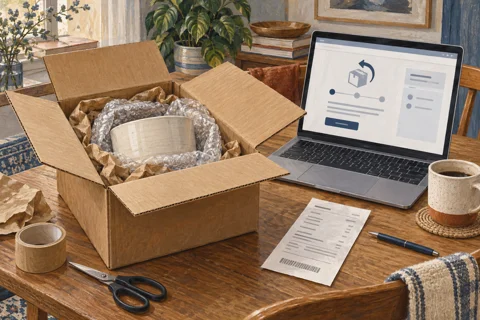
Look for replacement parts before you need them
A replaceable lid or wheel can matter more than an extra accessory included on the first day.
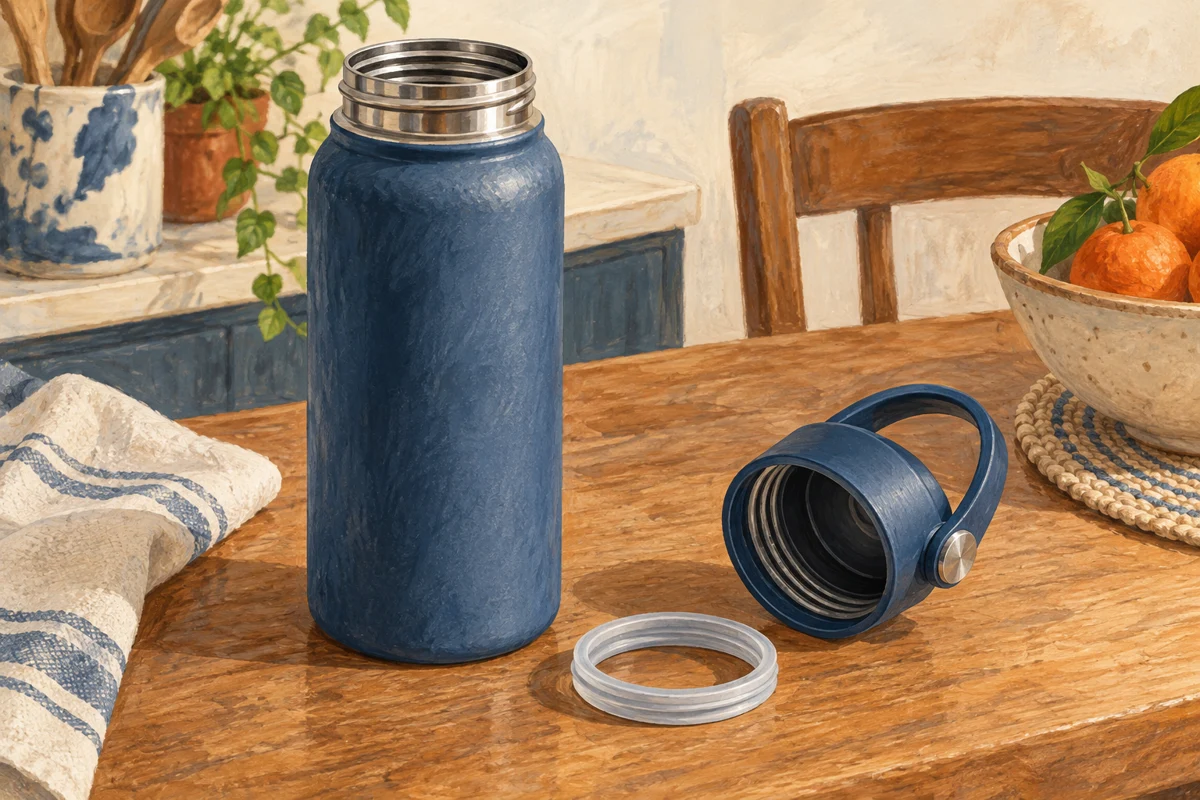
Find the part by name
Look at the pieces most likely to be lost or worn: a bottle seal, container lid, furniture foot or bag buckle. Search the manufacturer's support pages for the exact model. A statement that spare parts exist is less useful than a clearly identified part that matches the product you are considering.
Check how the part is ordered and whether it is available in your location. A listing on an overseas website does not establish local delivery or a reasonable total cost. Availability can change, so treat today's listing as information rather than a lifetime promise.
Almost the same is not the same
Small differences in diameter, thread, thickness or attachment can make a replacement unsuitable. A photograph of a similar-looking seal is not enough to establish compatibility. Use the model number and the manufacturer's matching information, and ask support when the identification is unclear.
For safety-related components, follow the manufacturer's instructions and use the approved service route. This includes parts associated with pressure, heat or electrical safety. Do not modify a near-fitting component to make it work or treat a general shopping article as repair guidance.
Some ordinary parts can be replaced by the user, while others require a service technician. Read the procedure before buying the spare. The existence of a part does not mean its installation is suitable for every owner.
Compare the whole route
Add delivery and any fitting cost to the part price. A low-cost replacement with a long wait may still be worthwhile, but it is useful to know that before the object becomes essential to your routine. Keep the exact part reference with the product record so you do not repeat the search later.
IKEA's India spare-parts pages illustrate why the service route matters: parts are identified and requested through a specific process, rather than by choosing something that looks similar in a general shop. Other manufacturers organise support differently, so read their own instructions.
You do not need to buy a drawer full of speculative spares. A record of the correct model, a reachable support channel and a product designed to be serviced can be enough. Prioritise the parts that affect ordinary continued use rather than a long list of optional attachments.
A small compatibility record
A useful record can fit on one page: product name, model code, a photograph of the relevant label, part reference and the official support address. Add the date you checked availability. If a manufacturer revises the model, that record helps distinguish the version you own from a newer product with a familiar name.
For a bottle, record the capacity and model as well as the brand. Different capacities can use different lids, and two generations can look similar while using a different seal. For furniture, the assembly manual may identify a fitting with a specific number. Keep that number instead of describing the part only as the small screw.
Check the quantity supplied in a spare-parts pack. One order might contain a single piece, a pair or a full kit. Read any included instructions and avoid mixing old and new components where the maker specifies replacement together.
If the official part is unavailable, ask whether the manufacturer has an approved alternative or a service option. An unfamiliar seller's compatibility claim is not equivalent to the maker's confirmation. For a non-critical cosmetic part you may have more flexibility, but pressure, electrical and load-bearing components require particular care. A product that cannot be restored appropriately may need to be retired rather than kept working through an improvised fit.