The care a purchase asks of you
The routine after purchase can determine whether an attractive object remains useful.
Picture an ordinary week
A pale cushion cover, a polished metal tray and a fabric bag can all look easy to own in a photograph. Imagine each after an ordinary week in your home. Who cleans it, where does it dry, and what happens while it is unavailable? The answers can change which version is suitable.
Read the care instructions before buying. A removable cover is helpful only if the permitted cleaning method works for you. A hand-wash-only item may be fine in a household that already has that routine and inconvenient in one that relies on machine washing.
Count time as well as supplies
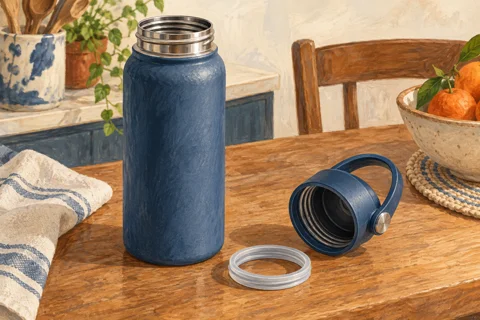
An object with several seals and narrow corners can take longer to wash and dry than a simpler one. That does not make it a poor choice if those parts provide a needed function. It does mean that the cleaning process belongs in the comparison, alongside capacity and appearance.
Check whether special products, periodic servicing or replacement consumables are specified. Use the manufacturer's guidance rather than an improvised substitute chosen solely because it is cheaper. For electrical or safety-related equipment, distinguish routine owner maintenance from work that belongs with an authorised technician.
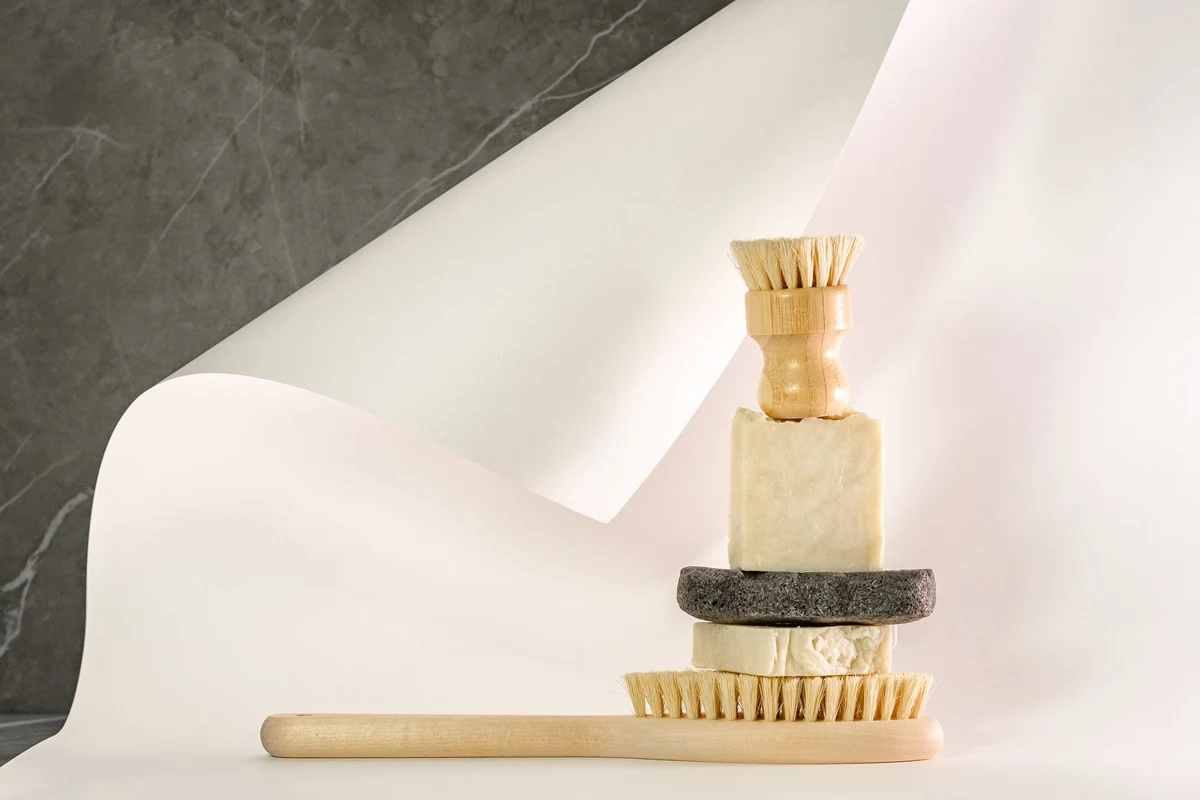
Storage is part of care too. A textile that must dry flat needs an appropriate surface; a wooden board needs a suitable drying position; a large serving tray needs a place where its finish will not be scratched. If those spaces do not exist, the purchase may create a recurring problem.
Choose a compromise you can keep
A low-maintenance alternative may differ in feel, weight or appearance. Decide which features matter enough to justify the extra routine. A special item used occasionally can deserve more attention than an everyday object that needs to be ready again by morning.
Ask whether the cleaning instructions apply to the whole product or only one part. A container body may be dishwasher-safe while its lid needs separate treatment. A fabric cover may have different rules from the filling. Keeping these distinctions clear prevents convenience from becoming damage.
After buying, save the instructions and establish a place for removable pieces. If maintenance repeatedly gets postponed, reconsider how the object is used or whether another design would suit the household better. The aim is not to avoid all care, but to choose care that can realistically happen.