Check the zip before choosing the bag
Open the bag as you would during a journey. The route of the zip matters as much as its appearance.
Use the whole opening
Run the zip along its full path gently, with the seller's permission if trying shop stock. Notice corners and curved sections. A wide-looking bag may have an opening that narrows sharply at the ends, making a rigid lunchbox or document folder awkward to insert.
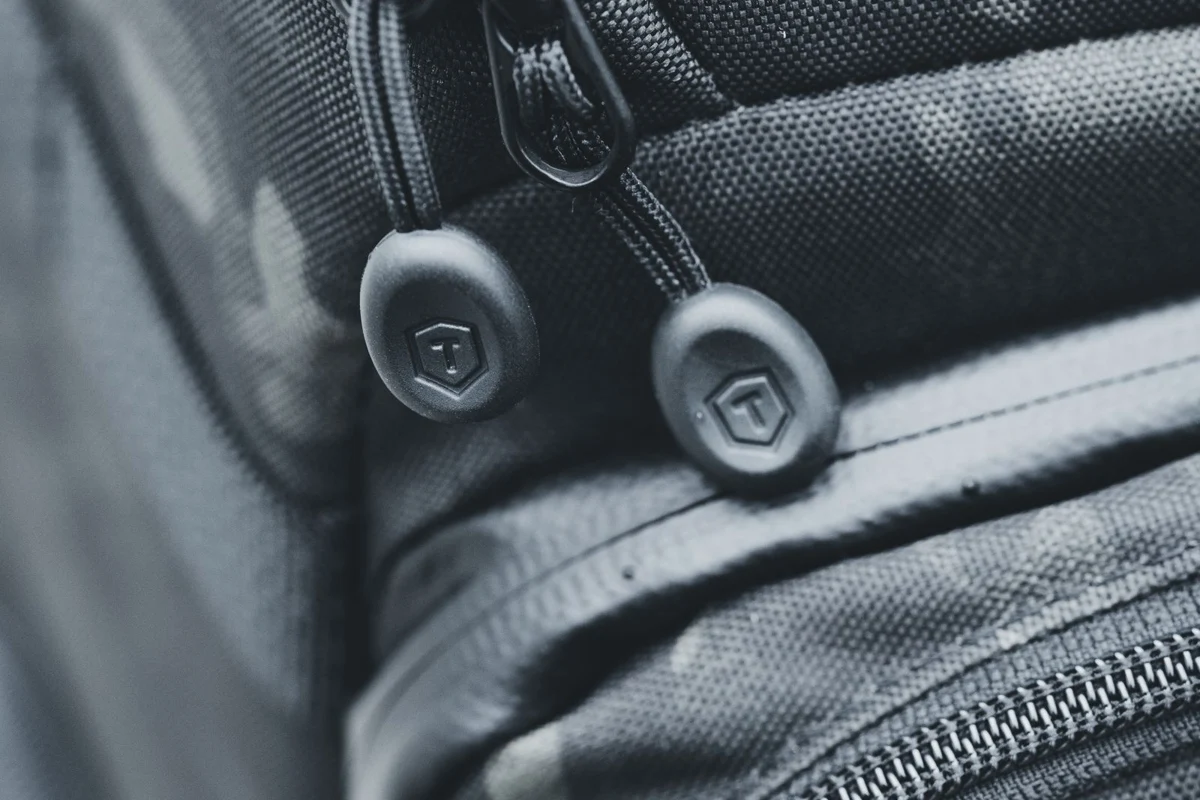
Check whether the lining catches in the slider and whether the pull is easy to hold. A tiny decorative pull may be inconvenient when your hands are occupied. Two sliders can offer flexible access, but they also need a clear closing position so the bag is not accidentally left partly open.
Try the opening with a realistic load. Overfilled fabric can pull the two sides apart and make an otherwise sound zip difficult to close. Do not judge strength by forcing it shut over too many objects. Choose enough usable space for the contents instead.
Inspect the area around it
Look at the stitching beside the zip and the ends where it is anchored. The surrounding fabric should not appear strained in normal use. A smooth slider cannot compensate for a seam that is already pulling away.
Water-resistant fabric does not automatically make the zip or complete bag waterproof. If protection from rain matters, read the product's specific description and use appropriate additional protection for vulnerable contents. A zip tucked beneath a flap may behave differently from one exposed on the top, but neither should be assumed suitable for immersion.
For a bag you intend to keep for years, ask whether the maker offers repairs or replacement pulls. Availability can change, so use current information for the model rather than assuming every product in the brand has the same service.
Keep it moving without force
Empty crumbs and grit from the bag regularly. If the zip catches fabric, stop and release the trapped area gently rather than pulling harder. Follow the manufacturer's cleaning or lubrication advice; household oils and waxes may mark materials or be unsuitable for the mechanism.
When packing, leave enough room that the zip closes naturally. Hold the bag to align the edges instead of using the slider to compress the contents. A few seconds spent rearranging a rigid object is easier than dealing with a damaged closure just before leaving the house.