A resting place for everyday bags
Support the weight of the filled bag and leave its straps out of the walkway.
Count the load that comes home
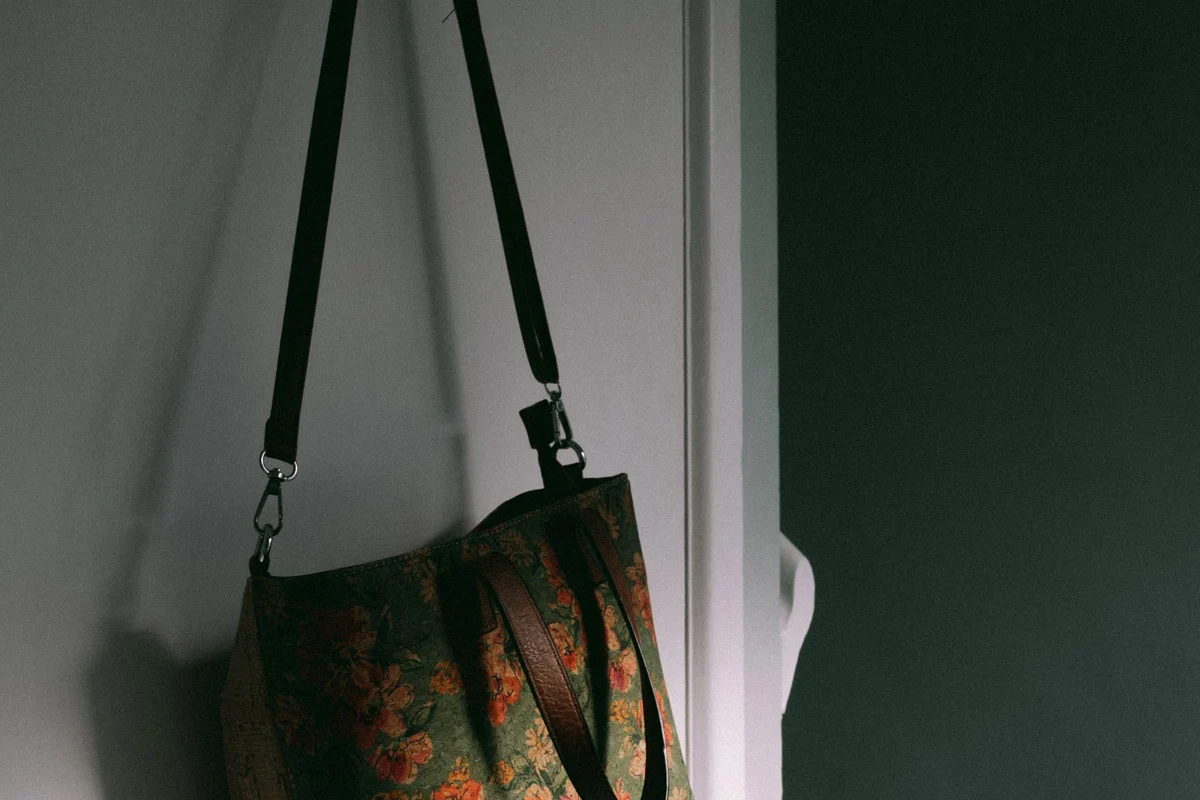
A bag hook may hold an empty tote in a product photograph, but your daily bag can contain a bottle, lunch and a laptop. Check the hook's rated load and the suitability of its mounting. Do not judge capacity by the size of the hook alone.
If the bag will be emptied first, make that part of the routine. Otherwise choose storage for its normal filled weight. A low shelf or suitable basket can be more practical than a wall hook where the wall or fixing is uncertain.
A narrow sharp hook can concentrate pressure or mark a strap. Choose a smooth shape appropriate for the bag, and follow any storage advice supplied with it. Structured or delicate bags may prefer supported storage rather than hanging for long periods.
Keep enough distance between hooks for bags to remain separate. A row packed closely together can turn one easy movement into a search through tangled straps. Allow for the widest bag, not just the space between the empty hooks.
Place it beside the route
The bag should be easy to put down without becoming an obstacle. A hook behind a door can be convenient until the bag prevents the door from opening properly. A low strap hanging into a passage can catch a foot or another item being carried.
For shared storage, different heights may help, provided everyone can reach comfortably and the arrangement remains safe. Do not place a heavy bag high enough that lifting it requires an awkward reach. Keep the floor below clear so a person can stand close to the storage.
If a bag arrives damp, follow its care instructions before putting it into enclosed storage or against a vulnerable wall. An everyday hook is not automatically a suitable drying method for every material. Avoid leaving wet fabric pressed against other bags.
Review what remains hanging after a few weeks. Hooks near the door should support the current routine, not accumulate every spare bag in the household. Move occasional bags to suitable longer-term storage and keep the daily position easy to use. A small number of well-spaced, correctly supported bags is more convenient than a crowded display of handles.