Questions to ask before replacing a pressure cooker
Begin with the model, the meals and the available service support before comparing a replacement.
Separate replacement from repair
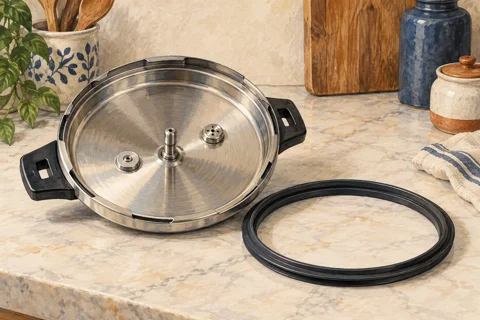
A pressure cooker that has developed a fault is not a prompt to experiment with its safety parts. Stop using a damaged or malfunctioning cooker and follow the manufacturer's support process. A new gasket may be appropriate for some problems, but a guess based on a video or a similar-looking part is not a diagnosis.
Find the model name, capacity and any identifying marks while the cooker is cool and not in use. A photograph of the markings and a description of the issue will help the manufacturer or authorised service centre advise you. If the body, lid or safety system is affected, ask whether repair is permitted and worthwhile before buying accessories.
Choose capacity around ordinary meals
When replacing the whole cooker, think about the batch you prepare regularly. The capacity printed on the product is not permission to fill it to the top. The manual sets working limits, including different requirements for foods that expand or foam. Choose a model with enough usable room under those instructions.
A large cooker can be inconvenient for a small household if it is heavy, awkward to wash or difficult to store. A very small one can lead to repeated batches. Write down two or three meals that represent your normal cooking and discuss the suitable size with the manufacturer or seller without asking them to infer it from a head count alone.
Consider the containers or separators you intend to use. Accessories must be suitable for the cooker and permitted by its instructions. An old insert that happens to fit inside is not automatically an approved replacement for the new model's parts.
Check the hob and the handling
Confirm compatibility with your actual hob. An induction version may differ from a visually similar model intended for other heat sources. Look at the full product code and base specification, and follow both appliance and cookware directions for size and positioning.
Try the cool, empty lid mechanism in a shop if possible. Can you understand its opening and closing method, and can everyone who will use it follow the instructions? Familiarity with an older design is helpful but does not remove the need to learn a new one. Never force a cooker open under pressure or improvise a release method.
The total weight, handle clearance and sink dimensions also deserve attention. A cooker used every day should have a stable storage place where the lid and required parts remain together. Keeping instructions nearby is more useful than relying on memory about another brand.
Compare the complete purchase
A replacement can require small changes elsewhere in the kitchen. Its lid may need a different drying position, the body may be wider in the sink, and the new handle span may prevent it fitting the old cupboard. Write down the old cooker's overall dimensions and the parts of its routine that were convenient. That gives the comparison a practical baseline without treating the old mechanism as the operating instructions for the new one.
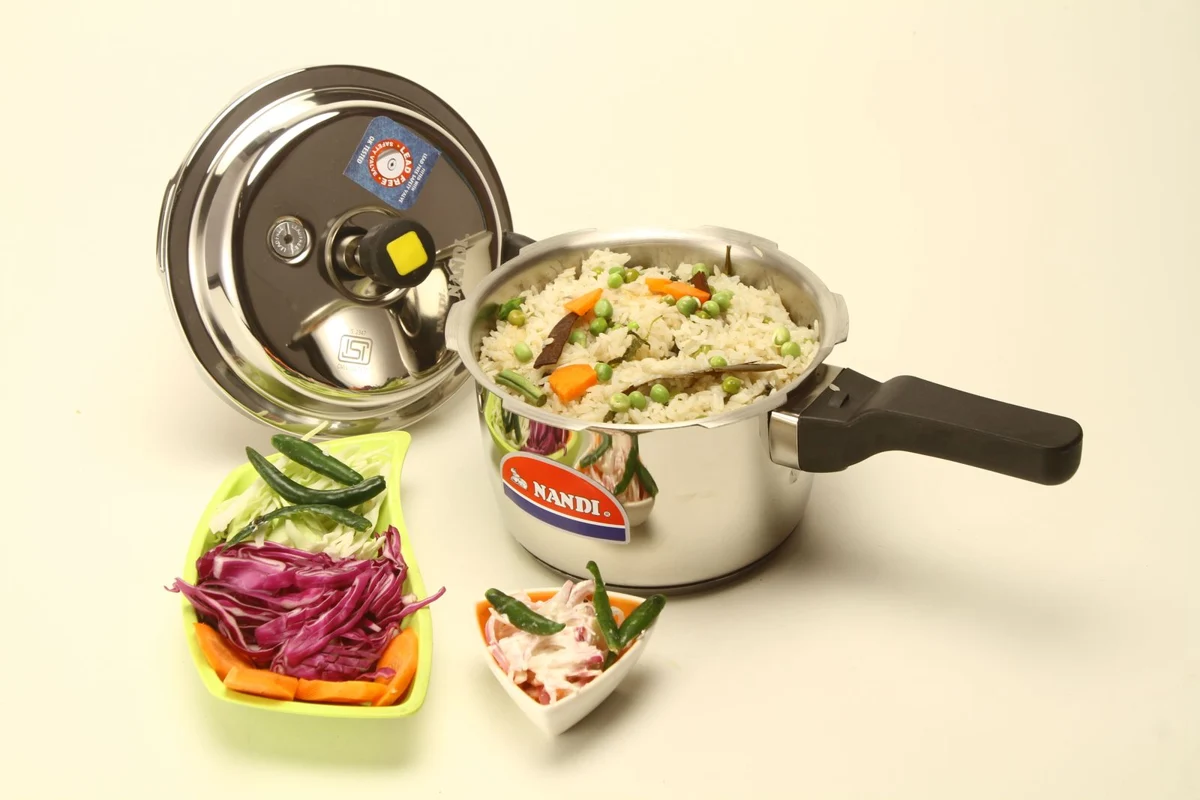
Ask what is included in the carton. A product photograph may show accessories or serving arrangements that are not part of the selected package. Confirm the supplied parts, the manual language and the service contact before ordering. If several household members cook, make sure everyone can access and understand the instructions, rather than relying on one person to explain them from memory.
Check the seller's inspection and return process too. If the delivered model differs from the one ordered, resolve that before use. Keep the packaging and purchase record while checking the identification and condition. A clear record is especially helpful when similar-looking induction and non-induction variants are sold together.
Buy support as well as a vessel
Look for access to genuine, model-specific replacement parts and an authorised service route. Save the invoice and model details. A low purchase price can become less attractive if the correct gasket or handle is difficult to identify later.
Before the first meal, read the complete manual, including inspection, filling, closing, pressure release and cleaning. This article helps frame a purchase; it does not provide a cooking procedure or a repair method. The instructions supplied with the particular cooker are the ones to use.