Build a hamper around one useful idea
Build a hamper around a shared use, then check every item rather than trusting the presentation.
A theme with a purpose
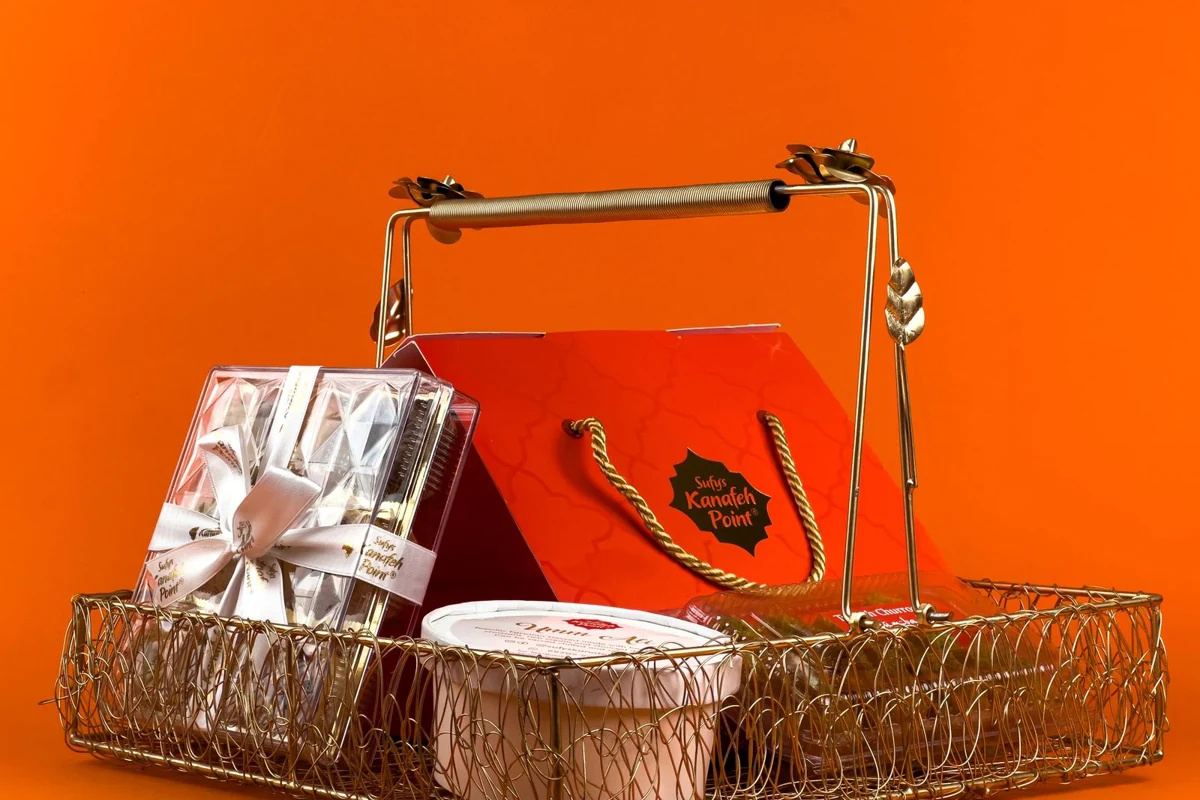
A hamper becomes useful when its contents belong to the same ordinary moment. Tea, a small jar of something the recipient likes and two suitable cups make a clearer idea than a large basket of unrelated products. Start with that moment, then decide whether each extra item adds anything.
It helps to choose the main item before the container. Buying a large basket first encourages filling empty space with things nobody requested. A shallow box may hold the same thoughtful selection with less wrapping and less storage work afterwards.
Read the individual labels
A beautiful outer sleeve does not answer questions about ingredients, expiry dates or care. Check each food item separately, especially where the recipient avoids particular ingredients. Keep original packaging on edible contents so that labels remain available. Decanting snacks into matching jars may improve the photograph while removing information the recipient needs.
Consider whether the whole hamper can travel and wait safely. A collection mixing shelf-stable goods with something that needs refrigeration creates a delivery problem. Do not assume a courier will keep an item cool because the package is marked as a gift. Choose contents that suit the actual journey and storage arrangements.
For cups, spoons or textiles, check the finish and care directions just as you would for a separate purchase. A gift set can contain objects of very different quality. The most prominent piece should not distract from flimsy extras.
Pack for opening, not just display
Heavy items belong low in the package, with fragile pieces protected from touching each other. The recipient should be able to lift an item out without cutting through tight bands near glass. Avoid loose glitter or confetti around food. Decorative fillers should not be mistaken for something edible.
List the contents on a small card when the packaging hides them. This can also identify which items need particular storage, without turning the gift into an instruction manual. A personal note can sit on top where it will be found first.
Finally, price the contents independently. You may be happy to pay for assembly and delivery, but make that a conscious choice. A large advertised saving is not especially meaningful if several items would never have been chosen on their own.
A tea-time example
Imagine a recipient who drinks tea at work and takes public transport home. A compact box with a familiar tea, a clearly labelled snack and a small cup they have asked for may suit them. A large glass jar and a heavy basket could make the same idea harder to carry. The context changes the package without requiring a higher price.
Now imagine a household sharing the hamper. Quantities and preferences become different questions. One tiny packet may not serve everyone, and a strongly flavoured item may appeal to only one person. You can choose a few broadly suitable items while keeping one personal addition, rather than trying to make every object satisfy every recipient.
If you are assembling the hamper over several weeks, keep the contents in the conditions their labels require until the final packing. Record any dates you need to check. The earliest item bought should not be forgotten at the bottom of the basket while newer items create an impression of freshness.
Before closing the package, lift it gently from underneath and check whether anything shifts. Protect individual fragile pieces rather than relying on decorative filler to hold them. A hamper travelling by courier needs shipping protection beyond its display wrapping. If you cannot pack it appropriately, use a retailer that can explain how the contents will be protected, or simplify the selection to less fragile goods.