Trying a backpack with a realistic load
Capacity tells you what might fit inside. A loaded try-on tells you more about carrying it.
Recreate the ordinary load
An empty backpack can feel comfortable almost regardless of its shape. Bring together the books, laptop, lunchbox and bottle you normally carry, then use an equivalent permitted load when trying a bag. Ask the shop before loading a display item, and do not exceed the manufacturer's guidance.
Place denser items in the intended compartments so they do not pull the bag into an unusual shape. Check that a rigid corner is not pressing through the back panel. A large capacity figure does not tell you whether the particular combination of objects will sit comfortably.
For a bag with a laptop compartment, confirm actual device dimensions and closure clearance. A tight sleeve that must be forced shut is not a good fit, even if the listed screen-size range appears correct. Leave room for the charger where it will not push against the computer.
Adjust the bag you are wearing
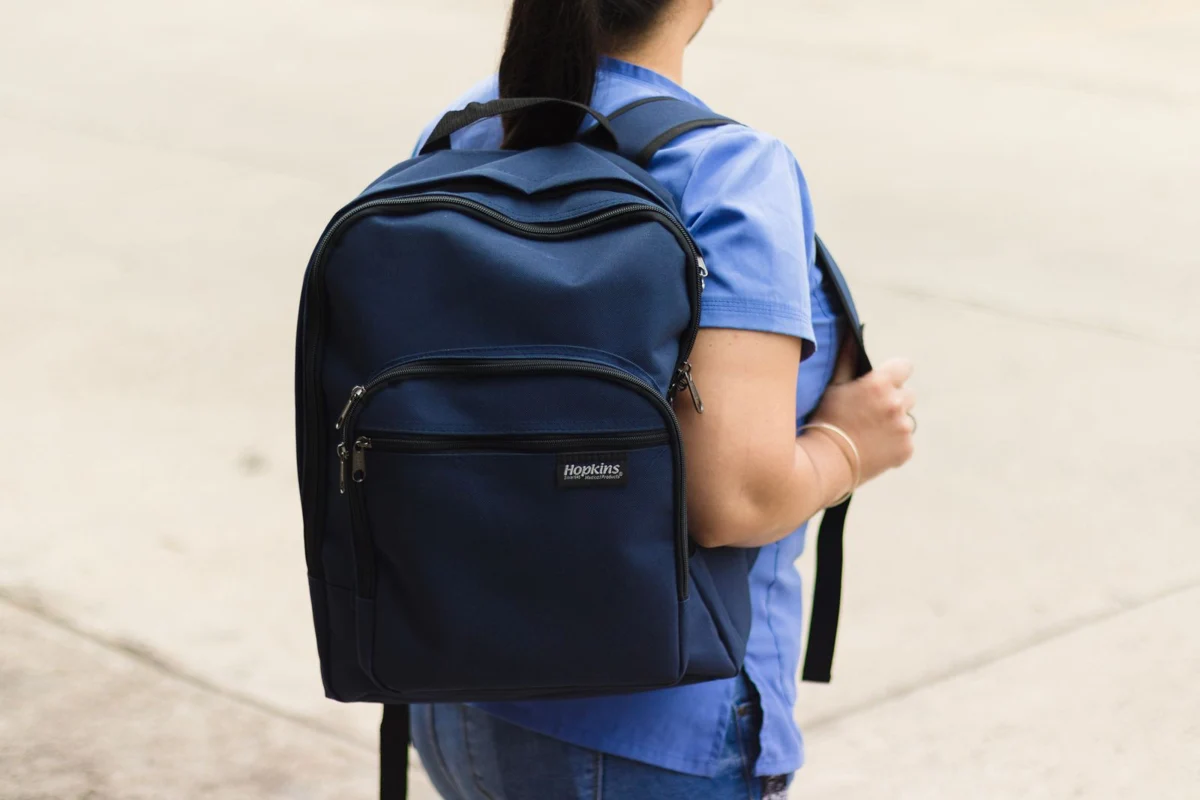
Loosen and reset the straps rather than judging a bag in the previous customer's arrangement. The shoulder straps should sit comfortably without forcing you to shrug or lean to hold them in place. Walk, turn and reach forward as you would on a normal journey.
Some packs have torso-size ranges or adjustable back lengths. Osprey's sizing guidance uses torso measurements rather than height alone. That is a useful reminder that two people of similar height may not find the same bag shape equally comfortable. Check the model's own fitting instructions instead of copying measurements from an unrelated pack.
If a sternum strap or hip belt is present, learn its intended adjustment. A small everyday bag may have different features from a trekking pack. More straps do not automatically make it more suitable for a commute, and a belt you never use can become something to manage around a crowded seat.
Try the movements of the journey
Sit down if the setting allows, remove the bag and put it back on. Reach for the bottle pocket and main zip. A pocket that works beautifully while the bag is empty may become difficult to use once the main compartment is full.
Consider the route through doorways and crowded transport. A very deep pack can project farther behind you than expected. Check that loose strap ends can be secured as designed, without cutting them before you know the adjustment you need.
Listen to discomfort during the try-on rather than assuming it will disappear after purchase. A different shape, smaller load or alternative carrying arrangement may be more appropriate. No bag can make an arbitrarily heavy load comfortable simply by adding padding.
Look beyond the first fit
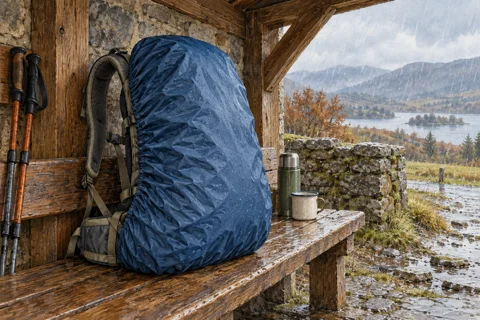
Read the care instructions and inspect replaceable or repairable parts. A zip pull and buckle are small components with a large effect on daily use. If the bag has a rain cover, check its fit over the loaded shape rather than the flat empty bag.
After purchase, adjust gradually using your normal load. Keep the product information and check the seller's conditions before removing tags or using it outdoors if you are still deciding. Record which compartment arrangement works, then resist filling the extra space with things that were not part of the original need. A comfortable trial can become an uncomfortable commute when the load quietly grows.
Compare two loads, not just two bags
A weekday load and an occasional heavier load can lead to different choices. Put the ordinary contents in one group and the extras in another. If a large folder or second bottle is needed only once a week, decide whether the same bag must accommodate it or whether that day can use another carrying arrangement. Buying for the maximum load can leave a bulky bag half empty on every other journey.
During a comparison, use the same contents in each candidate bag. Otherwise, the lighter-feeling option may simply contain less. Keep the adjustment and packing sensible for each design, then note specific differences: a bottle pressing into the back, a strap edge rubbing, or a base that swings away when turning. Those observations are more actionable than describing one bag as generally comfortable.
Check what happens when the bag is put down. A narrow soft base may topple and place a bottle against the laptop compartment; a broad structured base may stand more readily but occupy more room beside a chair. Neither behaviour is automatically wrong. It matters whether you usually set the bag on a crowded floor, hang it from an appropriate support or keep it on a shelf. Include that ordinary stopping place in the decision, rather than judging only the time spent walking.